Author: ali1

  • Gelecek Trendleri Megaways Slot Kazanma Yolu Kapsamlı Kılavuz İncele

    Megaways slotlar global perspektif popülarite elde etme durumundadır. Bu kapsamlı kılavuz Dünya Ölçüsünde katılımcılara odaklanmaktadır. 2024 yılında hareketli şans oyunları evreni trilyon dolarlık büyüme göstermek durumundadır. Bu popülarite elde etme durumu oyuncuların arayışından kaynaklanmaktadır. Teknolojik erişim kolaylığı bu büyüme için hayati öneme haizdir.

    Teknik altyapı olarak dinamik şerit düzeni ve RNG algoritmaları öneme haizdir. Bu teknolojiler oyunculara çok fazla kazanma yolu hissiyat vermektedir. Mobil uyumluluk konusu ve aynı eşzamanlı Zbahis güncel yazılım geliştirmeleri dikkat çekmektedir. Katılımcılara sınırsız kombinasyon sunması bu sistemin temel çekiciliği olmaktadır. Sonuç itibarıyla olarak her dönüş benzersiz deneyim oluşturmak zorundadır.

    Katılımcılara yönelik davranış biçimleri plan tasarım gerektirmektedir. Gelecek trendleri açısından adaptif oyun mekanikleri önem kazanmaktadır. Risk yönetimi strateji geliştirme için zorunludur. Daha daha fazla kazanma yolu arayan oyuncular için veri analizi önem taşımaktadır. Sonuç şu an kişiselleştirilmiş oyun deneyimleri popülarite elde etme durumundadır.

    Sektörün geleceğinde yapay zeka entegrasyonu beklenmektedir. Güvenlik ve lisans konuları bilinçli katılım için şarttır. Otoritelerin sorumlu oyun politikaları düzenleme çerçevesi sunmaktadır. Blockchain teknolojisi şeffaflık sağlamak potansiyeline sahiptir. Sonuç olarak sürdürülebilir büyüme için bu faktörler hayati öneme haizdir.

  • Nourishing Minds: The Impact of School Feeding Programs in Uganda

    Nourishing Minds: The Impact of School Feeding Programs in Uganda

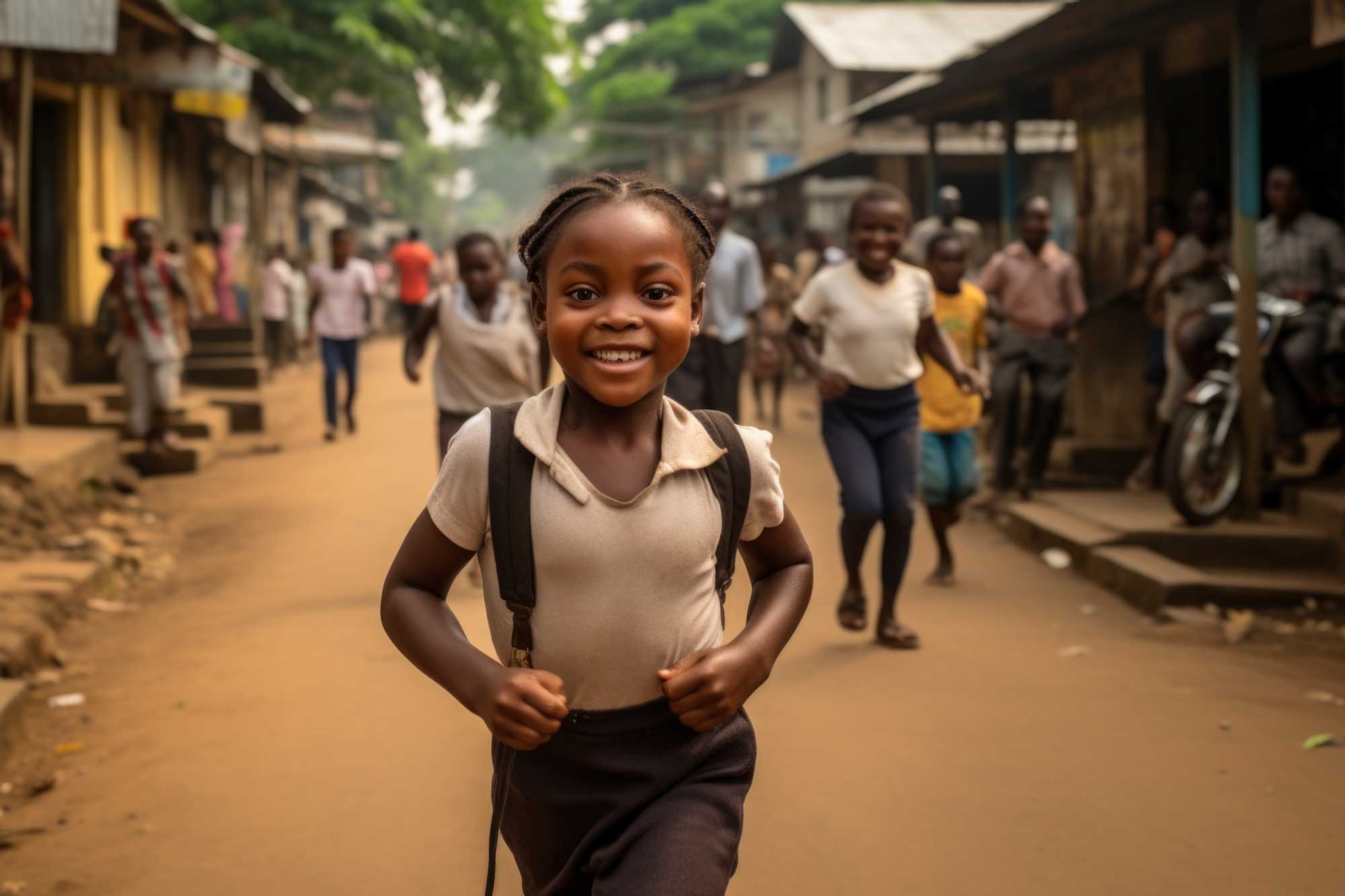
    At Mamba Community Child Care Foundation, we recognize that education and nutrition go hand in hand. In Uganda, many children face the harsh reality of going to school on an empty stomach, which severely impacts their ability to learn and thrive. School feeding programs are a vital intervention that not only address hunger but also enhance educational outcomes and overall well-being. This blog explores the transformative impact of these programs and how they are helping to nourish the minds of Uganda’s future leaders.

    The Importance of School Feeding Programs

    Hunger is one of the most significant barriers to education. When children are hungry, their concentration wanes, their energy levels drop, and their ability to participate in class diminishes. School feeding programs play a crucial role in ensuring that children receive at least one nutritious meal a day, providing them with the energy and focus needed to excel academically.

    Challenges of Malnutrition in Uganda

    1. High Rates of Food Insecurity: Many families in Uganda live below the poverty line and struggle to provide regular meals. This food insecurity leads to chronic malnutrition among children.
    2. Impact on Academic Performance: Malnourished children often have difficulty concentrating, lower cognitive function, and poorer academic performance. Hunger can lead to higher dropout rates and decreased school attendance.
    3. Health Issues: Malnutrition not only affects academic performance but also has long-term health consequences, including stunted growth, weakened immune systems, and increased susceptibility to diseases.

    Success Stories: Transforming Lives Through Nutrition

    Through the support of donors and partners, Mamba Community Child Care Foundation has implemented several school feeding programs across Uganda. Here are some inspiring stories of how these programs are making a difference:

    1. Hope’s Journey: From Malnourished to Motivated
      Hope, a young girl from a rural village, used to struggle with hunger daily. Her family could barely afford one meal a day, and this impacted her ability to concentrate in school. After the introduction of a school feeding program at her primary school, Hope began receiving a nutritious breakfast and lunch each day. The change was remarkable. Her energy levels soared, her grades improved, and she now dreams of becoming a teacher. Hope’s story highlights the direct correlation between nutrition and academic success.
    2. Community Transformation in Lira
      In the town of Lira, the school feeding program has had a ripple effect beyond just the students. Local farmers have been engaged to supply fresh produce, creating a sustainable food supply chain and boosting the local economy. Students are not only benefiting from nutritious meals but are also learning about agriculture and healthy eating habits. This community-based approach has led to increased school attendance, improved health outcomes, and a stronger sense of community solidarity.
    3. Bridging Gender Gaps
      Girls in Uganda often face additional barriers to education, including the expectation to help with household chores and care for siblings. The provision of school meals has significantly increased girls’ enrollment and attendance rates. With the assurance of a meal at school, parents are more likely to send their daughters to school. Sarah, a 12-year-old from a rural village, now attends school regularly and dreams of becoming a doctor. The school feeding program has given her the nutrition and opportunity she needs to pursue her education.

    Our Initiatives: Nourishing Bodies and Minds

    1. Daily Meal Programs: We provide daily meals to schools in underserved areas, ensuring that every child receives a nutritious breakfast and lunch. These meals are carefully planned to meet the dietary needs of growing children.
    2. Community Engagement: We work with local farmers to source fresh, local produce, supporting the community and promoting sustainable agriculture. This approach not only provides healthy food for students but also strengthens the local economy.
    3. Health and Nutrition Education: Alongside feeding programs, we educate students and their families about the importance of nutrition and healthy eating habits. Workshops and informational sessions help reinforce the value of a balanced diet.
    4. Monitoring and Evaluation: We regularly monitor the impact of our feeding programs on students’ health, attendance, and academic performance. This data helps us refine our programs and demonstrate their effectiveness.

    How You Can Help

    Nourishing minds through school feeding programs requires collective effort. Here’s how you can contribute:

    1. Donate: Your financial support can help us expand our feeding programs to reach more children. Every dollar can provide a nutritious meal and help a child focus on their education.
    2. Volunteer: Get involved by volunteering with Mamba Community Child Care Foundation. Whether it’s helping prepare meals, assisting with distribution, or educating communities about nutrition, your time and skills are invaluable.
    3. Spread the Word: Raise awareness about the importance of school feeding programs. Share our mission and stories on social media, organize community events, or speak to local groups about supporting our cause.
    4. Partner with Us: Collaborate with us through corporate partnerships, sponsorships, or by organizing fundraising events. Together, we can scale our efforts and nourish more young minds.

    Conclusion

    At Mamba Community Child Care Foundation, we are dedicated to breaking the cycle of hunger and poor education in Uganda through our school feeding programs. By ensuring that children receive nutritious meals, we are not only addressing immediate hunger but also creating a foundation for better health, improved academic performance, and brighter futures. Join us in our mission to nourish the minds of Uganda’s children and help pave the way for a more educated, healthy, and prosperous society. Together, we can make a lasting impact.

  • Breaking Barriers: Girls’ Education in Africa

    Breaking Barriers: Girls’ Education in Africa

    At Mamba Child Care Foundation, we believe that educating girls is not just a moral imperative, but a strategic investment in the future of Africa. In Uganda, as in many parts of Africa, girls face significant barriers to accessing education. Cultural norms, economic hardships, and infrastructural challenges all play a role in keeping girls out of school. However, through the tireless efforts of communities, organizations, and generous donors, we are breaking these barriers and transforming the lives of countless girls.

    The Importance of Girls’ Education

    Educating girls has a ripple effect that benefits entire communities. When girls receive an education, they are more likely to delay marriage, have fewer and healthier children, and contribute economically to their families and societies. Educated women are also more likely to advocate for their own rights and the rights of others, fostering a more just and equitable society.

    Challenges Facing Girls’ Education in Uganda

    1. Cultural Norms and Gender Stereotypes: In many communities, traditional gender roles prioritize boys’ education over girls’. Girls are often expected to help with household chores or marry at a young age, cutting their educational journeys short.
    2. Economic Hardships: The cost of education, including fees for tuition, uniforms, and supplies, can be prohibitive for many families. When resources are limited, families often prioritize boys’ education over girls’.
    3. Inadequate Infrastructure: Many schools lack the necessary facilities to support girls, such as separate toilets and sanitary supplies. This leads to absenteeism, especially during menstruation.
    4. Safety Concerns: Long distances to school and the lack of safe transportation expose girls to the risk of harassment and violence, deterring them from attending school regularly.

    Success Stories: Overcoming the Odds

    At Mamba Child Care Foundation, we have witnessed incredible stories of resilience and transformation as we work to break down these barriers. Here are a few inspiring examples:

    1. Nakuru’s Journey: From Child Bride to Scholar
      Nakuru was married off at the age of 13, a fate not uncommon in her village. With the intervention of community leaders and support from Mamba Child Care Foundation, Nakuru was rescued from this early marriage and enrolled back in school. Today, she is a top student, passionate about becoming a doctor. Nakuru’s story is a powerful reminder of the potential that lies in every girl when given the opportunity to learn.
    2. The Rise of STEM Stars
      In a small town in Northern Uganda, a group of girls is defying stereotypes by excelling in STEM (Science, Technology, Engineering, and Mathematics) subjects. With support from our foundation, these girls have access to a well-equipped science lab and mentorship from female scientists. Among them is Amina, who recently won a national science competition for her innovative project on solar energy. Amina’s achievements are inspiring other girls in her community to pursue STEM education.
    3. Community-Led Solutions: Building Safe Learning Environments
      In partnership with local communities, Mamba Child Care Foundation has helped build several girls’ dormitories in rural areas. These safe spaces ensure that girls have a secure and supportive environment to focus on their studies. Sarah, one of the beneficiaries, no longer has to walk long distances to school and can concentrate on her dream of becoming a teacher. The presence of these dormitories has significantly increased girls’ enrollment and retention rates in schools.

    Our Initiatives: Creating Lasting Change

    1. Scholarship Programs: We provide scholarships to girls from economically disadvantaged backgrounds, covering tuition, uniforms, and school supplies. This financial support removes the economic barriers that prevent girls from attending school.
    2. Advocacy and Community Engagement: We work with community leaders, parents, and local governments to change attitudes towards girls’ education. Through workshops and awareness campaigns, we emphasize the value of educating girls and the long-term benefits it brings.
    3. Infrastructure Development: We invest in building and upgrading school facilities, ensuring that schools have separate toilets for girls, access to sanitary supplies, and safe transportation options. Creating a conducive learning environment is essential for keeping girls in school.
    4. Mentorship and Empowerment Programs: We run mentorship programs where successful women from various fields mentor young girls, providing them with role models and guidance. These programs empower girls to dream big and pursue their aspirations with confidence.

    How You Can Help

    Breaking the barriers to girls’ education in Uganda is a collective effort. Here’s how you can contribute:

    1. Donate: Your financial support can provide scholarships, build school facilities, and fund our various programs. Every donation, no matter the size, makes a significant difference.
    2. Volunteer: Share your time and skills by volunteering with Mamba Child Care Foundation. Whether it’s teaching, mentoring, or helping with community outreach, your involvement can have a profound impact.
    3. Advocate: Raise awareness about the importance of girls’ education. Use your voice to advocate for policies and practices that support equal educational opportunities for girls.
    4. Partner with Us: Collaborate with us through corporate partnerships, sponsorships, or by organizing fundraising events. Together, we can amplify our efforts and create lasting change.

    Conclusion

    At Mamba Child Care Foundation, we are dedicated to breaking the barriers that hinder girls’ education in Uganda. By addressing cultural, economic, and infrastructural challenges, we are empowering girls to reach their full potential and transform their communities. Join us in this vital mission to ensure that every girl has the opportunity to learn, grow, and contribute to a brighter future for Africa. Together, we can make a difference.
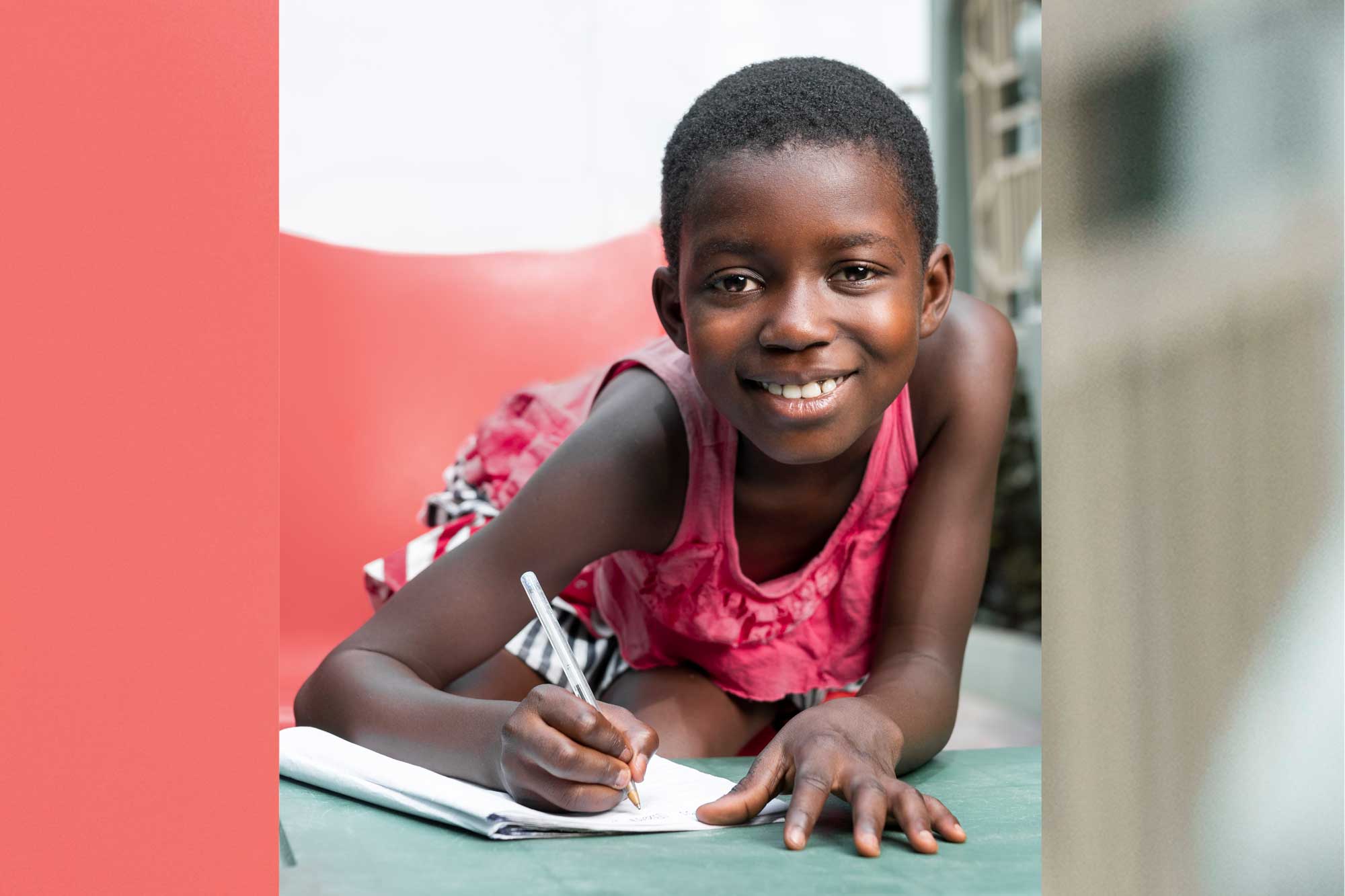
  • A Brighter Future: Transforming Lives Through Education in Uganda

    A Brighter Future: Transforming Lives Through Education in Uganda

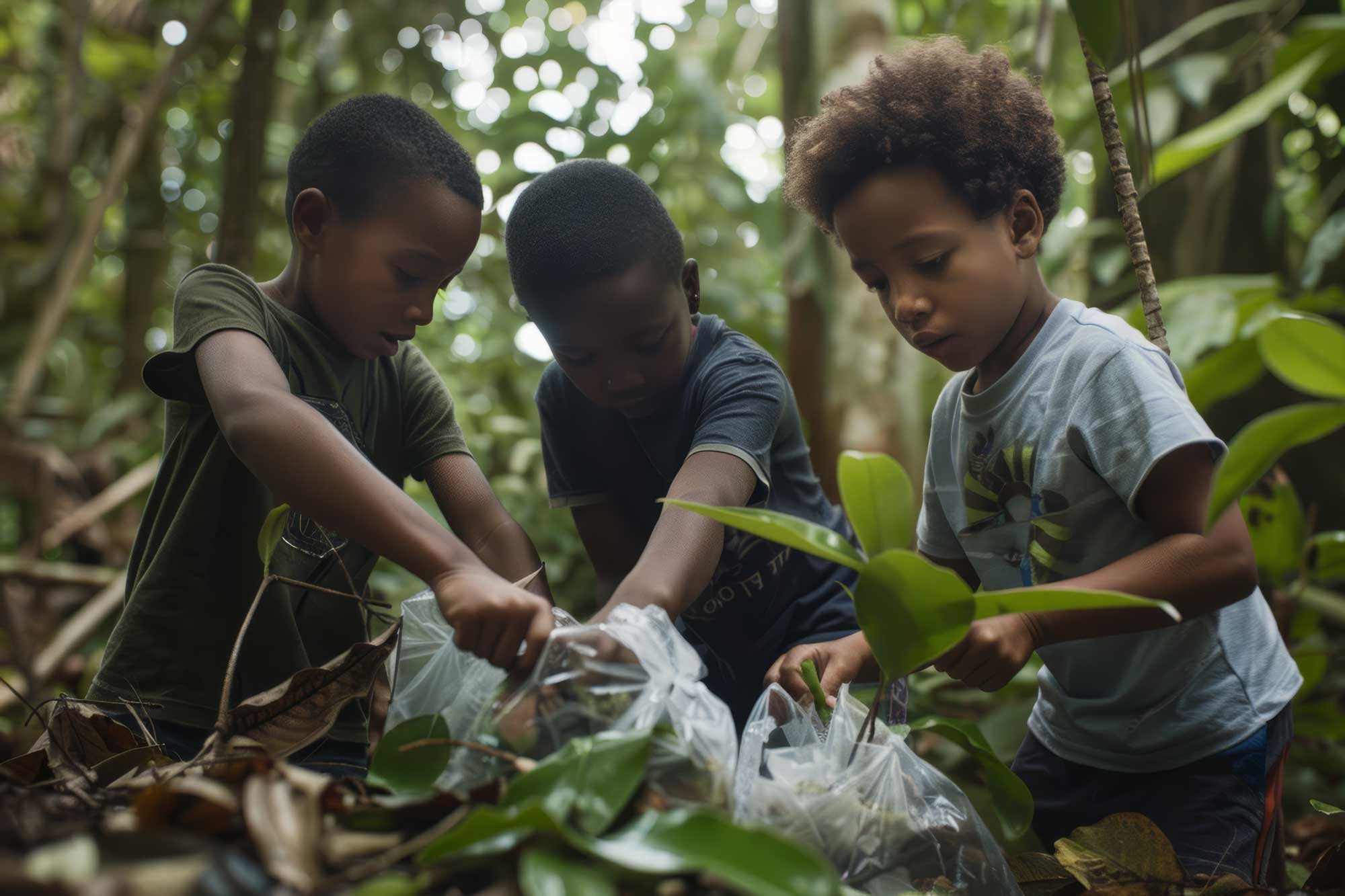
    Education is a powerful catalyst for change, especially in countries like Uganda, where the potential of young minds often goes untapped due to lack of resources. Yet, amidst the challenges, there are inspiring stories of transformation, fueled by the dedication of communities and the generosity of donors. This blog explores the impact of education in Uganda and how it is paving the way for a brighter future.

    The Power of Education

    In Uganda, education is not just a fundamental right; it is a lifeline that can lift families out of poverty, empower communities, and drive national development. However, the road to achieving quality education for all is fraught with obstacles. Many children, especially in rural areas, face significant barriers such as inadequate infrastructure, lack of trained teachers, and economic hardships that force them to prioritize work over school.

    Challenges in Ugandan Education

    1. Inadequate Infrastructure: Many schools in Uganda lack basic facilities. Classrooms are often overcrowded, and there is a shortage of learning materials. In rural areas, students sometimes attend classes under trees or in makeshift structures.
    2. Teacher Shortages: The country faces a significant shortage of qualified teachers. Many schools operate with undertrained staff, affecting the quality of education. Teacher absenteeism is also a notable issue.
    3. Economic Barriers: For many families, sending children to school is a financial burden. Costs associated with uniforms, books, and school fees can be prohibitive, particularly for families living in poverty.
    4. Gender Disparities: Cultural norms and economic factors often result in girls being deprived of educational opportunities. Early marriages and domestic responsibilities frequently take precedence over schooling for many girls.

    Stories of Transformation

    Despite these challenges, numerous initiatives are making a difference. Donations and support from individuals and organizations worldwide are helping to bridge the educational gap. Here are some inspiring stories of transformation:

    1. The Story of James: From Street Kid to Scholar
      James grew up in the slums of Kampala, where survival was a daily struggle. Orphaned at a young age, he spent his days on the streets, scavenging for food and shelter. His life took a dramatic turn when he was enrolled in a local school through a sponsorship program funded by generous donors. James excelled academically and eventually won a scholarship to study engineering. Today, he is a successful engineer, mentoring other street kids and advocating for education.
    2. Empowering Girls: The Rise of Future Leaders
      In Northern Uganda, the construction of a girls’ secondary school has been a game-changer. With a safe and supportive environment, girls are now able to pursue their education without fear of early marriage or domestic pressures. Sarah, one of the students, dreams of becoming a lawyer. Her determination and the quality education she receives are paving the way for her to achieve her ambitions and inspire other girls in her community.
    3. Innovative Solutions: E-Learning in Rural Areas
      In remote villages, access to quality education has been revolutionized by the introduction of solar-powered e-learning centers. These centers provide students with access to digital resources and interactive learning platforms. Musa, a student from a rural village, had never used a computer before the e-learning center was established. Now, he is proficient in various digital skills and aspires to become a software developer. This innovative approach is bridging the digital divide and preparing students for the future.

    How You Can Help

    Transforming lives through education in Uganda requires collective effort. Here are ways you can contribute:

    1. Donate: Your financial support can help build schools, provide scholarships, and supply educational materials. Every dollar makes a difference.
    2. Volunteer: Share your skills and knowledge by volunteering in educational programs. Whether it’s teaching, mentoring, or providing administrative support, your involvement is invaluable.
    3. Raise Awareness: Spread the word about the importance of education in Uganda. Use social media, organize community events, or write to local representatives to garner support for educational initiatives.
    4. Partner with Organizations: Collaborate with NGOs and educational institutions working on the ground. Partnerships can amplify efforts and create sustainable impact.

    Conclusion

    Education is the key to unlocking a brighter future for Uganda’s children. By addressing the challenges and investing in educational initiatives, we can transform lives and empower the next generation of leaders, innovators, and change-makers. Your support can make this vision a reality, ensuring that every child in Uganda has the opportunity to reach their full potential. Join us in this noble cause and be a part of the transformative journey toward a brighter future through education.

  • New Life for the Abandoned: Hope and Transformation at Mamba Child Care Foundation

    New Life for the Abandoned: Hope and Transformation at Mamba Child Care Foundation

    In Uganda, the sight of abandoned children is a heartbreaking reality. Economic hardships, health crises, and social stigmas often lead to children being left without care and support. At Mamba Child Care Foundation, we believe that every child deserves a chance at a better life. This blog highlights our efforts to provide new hope and opportunities for abandoned children, transforming their lives and ensuring they have a bright future.

    The Plight of Abandoned Children in Uganda

    The reasons for child abandonment in Uganda are varied and complex:

    1. Poverty: Extreme poverty forces some parents to make the unimaginable decision to abandon their children, hoping they will find a better life elsewhere.
    2. Health Issues: Children born with disabilities or health problems are sometimes abandoned due to the stigma and lack of resources to care for them.
    3. Orphanhood: The HIV/AIDS epidemic and other diseases have left many children orphaned, with no extended family to take them in.
    4. Social Stigmas: Unmarried mothers and victims of sexual violence may abandon their children due to societal shame and lack of support.

    These abandoned children often face dire conditions, including malnutrition, lack of shelter, and limited access to education and healthcare.

    Our Mission: A New Beginning

    Mamba Child Care Foundation is committed to providing abandoned children with a safe and nurturing environment where they can heal, grow, and thrive. Our holistic approach ensures that each child’s physical, emotional, and educational needs are met.

    Creating a Safe Haven

    1. Rescue and Shelter: We work closely with local authorities and community organizations to identify and rescue abandoned children. Our shelter provides a safe, loving home where children receive immediate care and protection.
    2. Nutrition and Healthcare: Ensuring that every child receives nutritious meals and medical care is our top priority. We provide regular health check-ups, vaccinations, and any necessary treatments to address health issues.
    3. Education and Skill Development: Education is a cornerstone of our mission. We enroll children in local schools and provide additional tutoring and support. For older children, we offer vocational training to equip them with skills for future independence.
    4. Emotional and Psychological Support: Many abandoned children suffer from trauma and emotional distress. Our team includes trained counselors who provide ongoing psychological support, helping children process their experiences and build resilience.

    Success Stories: Transforming Lives

    1. Aisha’s Journey: From Abandoned to Ambitious
      Aisha was found abandoned as an infant near a marketplace. Malnourished and weak, she was brought to Mamba Child Care Foundation. With proper nutrition, medical care, and a loving environment, Aisha began to flourish. Now eight years old, she is an enthusiastic student who dreams of becoming a teacher. Aisha’s transformation from a vulnerable infant to a vibrant, ambitious child is a testament to the power of love and support.
    2. John’s Path to Independence
      John was abandoned at age ten after his parents passed away. He struggled with severe trauma and trust issues. At our foundation, John received not only the basic necessities but also counseling and vocational training in carpentry. Today, John is a skilled carpenter with his own workshop, supporting himself and giving back to the community by training other young people.
    3. Building a Community of Support
      In addition to individual success stories, our efforts have fostered a sense of community among the children. They support and encourage one another, forming bonds that provide emotional stability and a sense of belonging. This community spirit is a crucial part of their healing and growth process.

    How You Can Help

    Transforming the lives of abandoned children requires collective effort. Here’s how you can get involved:

    1. Donate: Your financial contributions help us provide essential services like shelter, food, education, and healthcare. Every donation, big or small, makes a significant impact.
    2. Volunteer: Share your time and skills by volunteering with us. Whether it’s tutoring, providing medical care, or offering emotional support, your involvement is invaluable.
    3. Sponsor a Child: Through our sponsorship program, you can directly support a child’s needs, ensuring they have the resources to grow and succeed.
    4. Raise Awareness: Spread the word about the plight of abandoned children in Uganda and the work of Mamba Child Care Foundation. Use social media, organize community events, or speak to local groups to garner support.
    5. Partner with Us: Collaborate with us through corporate partnerships, sponsorships, or by organizing fundraising events. Together, we can expand our reach and help more children in need.

    Conclusion

    At Mamba Child Care Foundation, we are dedicated to giving abandoned children in Uganda a new lease on life. Through comprehensive care, education, and emotional support, we are transforming their lives and helping them realize their potential. Join us in our mission to provide hope and a brighter future for these vulnerable children. Together, we can make a difference, one child at a time.

  • What to Do if No One Listens? Start with Changing Yourself

    What to Do if No One Listens? Start with Changing Yourself

    At Mamba Child Care Foundation, we are dedicated to creating a brighter future for Uganda’s children through education and community support. However, we often face challenges when our voices are not heard, whether by local authorities, parents, or even the children we aim to help. When it seems like no one is listening, the most powerful step we can take is to start with changing ourselves. This blog explores how personal transformation can lead to broader change and ultimately amplify our impact.

    Understanding the Challenge

    In Uganda, the barriers to effective communication and community engagement can be significant. Cultural norms, economic hardships, and a general resistance to change can hinder our efforts to improve children’s lives. When our messages and initiatives are ignored or misunderstood, it can be discouraging. However, rather than becoming disheartened, we can use these moments as opportunities for self-reflection and growth.

    The Power of Self-Change

    1. Self-Reflection: Take a step back and assess your approach. Are there ways to communicate more effectively? Are we truly listening to the community’s needs and concerns? Self-reflection helps us understand how we might be contributing to the problem and identifies areas for improvement.
    2. Building Empathy: Understanding the perspectives of others is crucial. By putting ourselves in the shoes of the people we are trying to help, we can develop more empathy and adjust our approaches to be more aligned with their needs and realities.
    3. Improving Communication Skills: Effective communication is a two-way street. Improving our listening skills, being clear and concise in our messaging, and using culturally relevant methods can help bridge the gap. Sometimes, it’s not just about what we say but how we say it.
    4. Leading by Example: Actions often speak louder than words. Demonstrating commitment, integrity, and positive change in our own lives can inspire others to listen and follow suit. When people see the impact of our actions, they are more likely to engage and support our initiatives.

    Strategies for Personal Transformation

    1. Continuous Learning: Invest in personal development through education, training, and learning from others. Understanding the latest best practices in community engagement and child education can make our efforts more effective.
    2. Mindfulness and Patience: Practicing mindfulness helps us stay focused and patient. Change doesn’t happen overnight, and being patient with the process is essential. Mindfulness also helps manage stress and maintain a positive outlook.
    3. Seeking Feedback: Regularly ask for feedback from colleagues, community members, and the children we serve. Constructive feedback is invaluable for growth and improvement. It also shows that we value others’ opinions and are committed to getting better.
    4. Building Relationships: Strong relationships are the foundation of effective community work. Take time to build trust and rapport with community leaders, parents, and local authorities. Genuine relationships foster open communication and collaboration.

    Impact of Self-Change on Broader Change

    When we focus on changing ourselves, the effects ripple outwards. Here are some ways personal transformation can lead to broader change:

    1. Enhanced Credibility: By continuously improving ourselves, we become more credible and respected. People are more likely to listen to and support those who demonstrate commitment and expertise.
    2. Increased Engagement: Improved communication and empathy lead to better engagement with the community. When people feel understood and respected, they are more likely to participate and collaborate.
    3. Inspiring Others: Leading by example inspires others to follow. When we demonstrate positive change in our own lives, it encourages others to do the same, creating a culture of growth and improvement.
    4. Sustainable Change: Self-change fosters a sustainable approach to community work. By building strong relationships and continuously improving, we create a foundation for lasting impact that can be carried forward by the community itself.

    Conclusion

    At Mamba Child Care Foundation, we understand that creating meaningful change starts with ourselves. When no one listens, it’s a signal for us to reflect, grow, and adapt. By focusing on personal transformation, we can become more effective leaders, communicators, and advocates for Uganda’s children. Join us in this journey of self-improvement and collective impact. Together, we can break down barriers, amplify our voices, and create a brighter future for all.